Pricing bulk Pokémon collections can be a complex task, especially for those new to the world of Pokémon trading cards. The value of these collections depends on several factors, including the rarity of the cards, their condition, and current market demand. Here’s a comprehensive guide to help you navigate this process.
First, it’s essential to understand the different types of Pokémon cards. Cards are categorized into **Common**, **Uncommon**, **Rare**, and **Promo** or **Holo** cards, with the latter being more valuable due to their rarity and aesthetic appeal. For instance, a rare card like **Haxorus** from the Pokémon Black Bolt set can sell for significantly more than a common card like **Snivy** from the same set[1].
When pricing a bulk collection, you need to sort the cards by their rarity and condition. This process can be time-consuming but is crucial for determining the overall value of the collection. Tools like card sorters can help streamline this process, especially for large collections[4].
### Understanding Market Demand
Market demand plays a significant role in determining the price of Pokémon cards. Cards that are popular among players, especially those used in competitive tournaments, tend to increase in value over time. For example, cards like **Night Stretcher** and **Hilda** have seen significant price increases due to their competitive playability[5].
To stay updated on market trends, platforms like eBay and TCGplayer are invaluable resources. These sites provide real-time data on card prices and can help you identify which cards are currently in high demand. Additionally, social media and online forums dedicated to Pokémon trading cards can offer insights into emerging trends and popular cards[2][3].
### Pricing Strategies
When pricing your bulk collection, consider the following strategies:
1. **Individual Card Pricing**: For rare or highly sought-after cards, it’s best to price them individually. This approach ensures you maximize their value, especially if they are in good condition.
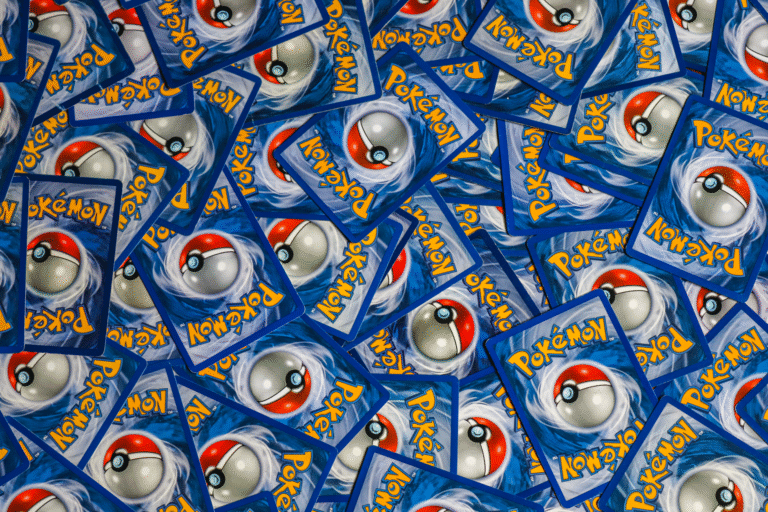
2. **Bulk Lot Pricing**: For common and uncommon cards, selling them in bulk lots can be more efficient. This method is particularly useful for large collections where individual pricing would be impractical. Bulk lots are often priced per card, with the total value depending on the quantity and mix of cards in the lot[3][7].
3. **Graded Cards**: If you have cards that are in near-mint condition, consider getting them professionally graded by services like PSA or CGC. Graded cards can command higher prices due to their verified condition and authenticity[2].
### Health Considerations for Collectors
While pricing and collecting Pokémon cards is generally a safe hobby, it’s essential to maintain good health practices, especially when handling large quantities of cards. Here are a few health tips to keep in mind:
– **Hand Hygiene**: Always wash your hands before and after handling cards to prevent the spread of germs. This is especially important during flu season or when there are outbreaks of infectious diseases, as advised by the Centers for Disease Control and Prevention (CDC).
– **Ergonomics**: When sorting or packaging cards, ensure you maintain good posture to avoid back strain. Taking regular breaks can also help prevent fatigue and eye strain.
– **Allergies**: Some card materials or packaging may trigger allergies. If you experience any allergic reactions, such as skin irritation or respiratory issues, consult a healthcare professional for advice.
### Selling Your Collection
Once you’ve priced your collection, it’s time to sell. Here are some strategies for selling your bulk Pokémon cards:
1. **Online Marketplaces**: Platforms like eBay, TCGplayer, and Etsy are popular for selling Pokémon cards. Each has its own fees and audience, so choose the one that best suits your needs[2][3][7].
2. **Local Card Shops**: Visiting local card shops can be a good way to sell your collection quickly. They often buy bulk lots and can provide immediate cash, though you may not get the highest price[5].
3. **Social Media and Forums**: Utilize social media platforms and online forums dedicated to Pokémon trading cards to reach a targeted audience. These communities can help you connect with serious collectors and traders[5].
In conclusion, pricing a bulk Pokémon collection requires patience, research, and an understanding of the current market trends. By sorting your cards effectively, staying updated on market demand, and using the right pricing strategies, you can maximize the value of your collection. Additionally, maintaining good health practices while handling cards ensures that your hobby remains enjoyable and safe.