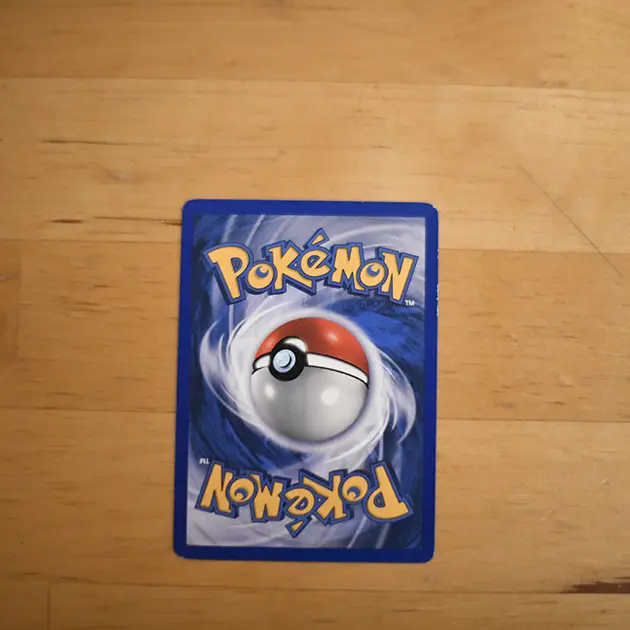
Pricing misprint Pokémon cards involves a nuanced understanding of several factors including the type of misprint, card condition, rarity, demand, and market trends. Misprint cards are those that have manufacturing errors such as miscuts, color errors, printing mistakes, or other anomalies that deviate from the standard card production. These errors can sometimes increase a card’s value significantly, but pricing them accurately requires careful evaluation.
First, **identify the type of misprint**. Common misprints include:
– **Miscuts**: Cards that are cut off-center or have parts of another card visible on the edges.
– **Color errors**: Incorrect or faded colors.
– **Printing errors**: Missing text, inverted images, or double prints.
– **Shadowless or border errors**: Cards missing shadows or with unusual borders.
Each type of misprint can affect value differently. Miscuts, for example, are often highly collectible if the error is dramatic and visually interesting, but minor miscuts might not add much value. Color and printing errors can be rarer and thus more valuable if they are noticeable and unique.
Next, **assess the card’s condition**. Condition is critical in Pokémon card valuation. Cards are graded on a scale from Poor to Gem Mint (PSA 10 being the highest grade). Even a misprint card that is heavily damaged or worn will be worth less than a near-mint or mint condition card with the same error. Condition factors include:
– Surface wear or scratches
– Whitening on edges
– Dents or bends
– Centering and cut quality
For misprint cards, condition can be tricky because the error itself might look like damage to an untrained eye. It’s important to distinguish between intentional misprints and damage. For example, a dent or crease lowers value, but a miscut edge does not count as damage if it is part of the error[1].
**Rarity and demand** also play a huge role. Some misprints are extremely rare because they were caught early in production and only a few cards escaped with the error. Others might be more common and thus less valuable. Cards from early sets, first editions, or promotional releases tend to be more valuable, especially if the misprint is unusual. For example, rare promo cards like the 2005 Play Promo Holo Umbreon have fetched very high prices due to rarity and demand, even without misprints[2].
To price a misprint Pokémon card:
1. **Research recent sales of similar misprint cards**. Check auction sites like eBay, PWCC, or Fanatics Collect for completed sales of cards with similar errors and conditions. This gives a market benchmark.
2. **Consider professional grading**. Getting the card graded by PSA, Beckett, or CGC can authenticate the misprint and provide an objective condition score. Graded misprint cards often sell for higher prices because buyers trust the authenticity and condition assessment.
3. **Evaluate the uniqueness and appeal of the misprint**. Dramatic misprints that are visually striking or unusual tend to command higher prices. Subtle or common misprints may only add a small premium.
4. **Factor in the card’s base value**. A misprint on a highly sought-after card will be worth more than the same misprint on a common card.
5. **Account for market trends and buyer interest**. Pokémon card prices fluctuate based on collector interest, new game releases, and nostalgia waves.
When listing or selling misprint cards, be transparent about the error and provide clear, high-quality photos showing the misprint and the card’s condition. Buyers want to see exactly what they are purchasing.
Regarding medical or health-related claims about Pokémon cards, there are no authoritative sources linking Pokémon cards or their misprints to any medical effects or health benefits. Pokémon cards are collectibles and game items, not medical products. Any claims about health impacts should be viewed skeptically and require verification from credible medical authorities such as the Centers for Disease Control and Prevention (CDC), World Health Organization (WHO), or peer-reviewed medical journals. No such authoritative sources support any medical claims related to Pokémon cards.
In summary, pricing misprint Pokémon cards requires a combination of understanding the error type, assessing condition, researching market data, and considering rarity and demand. Professional grading and clear documentation enhance value and buyer confidence. No medical claims are relevant or supported in this context.